A practical guide to global residency in 2026
Global residency in 2026 is about more than choosing an appealing country. It means finding a lawful, sustainable way to live somewhere that fits your work, income and family. For some people that involves a locally sponsored job. For others, it means a remote-work permit, retirement residence or a qualifying investment. The best route is the one whose conditions you can meet after the initial excitement of moving has passed.
This guide draws on government and official programme information checked in October 2026. It explains the main categories, selected developments and the practical questions that matter across borders. It is not a worldwide ranking, a complete application checklist or personalised legal advice. Nationality, application location and family circumstances can all change the answer.
The encouraging point is that several established frameworks offer a structured alternative to repeated short visits. The essential discipline is to read the permission precisely: what it allows, how long it lasts, what keeps it valid and whether it supports your longer-term plans.
Residency, a visa and citizenship are different things
A visa commonly authorises entry or a particular stay, while a residence permission establishes the basis for living in the country under its own rules. Sometimes one document performs both functions; elsewhere an entry visa is only the first step. Portugal, for example, describes a residence visa valid for four months during which its holder must apply for a residence permit through AIMA.
Temporary residence normally depends on continuing conditions and renewal. Permanent residence usually provides a more settled status, but can still carry absence limits and other obligations. Neither should be confused with citizenship, which has separate eligibility rules and may require an additional application, language knowledge and qualifying residence.
A second residence permit also does not transfer the issuing country’s passport to its holder. The right to live locally and the right to enter other countries are separate questions. Treat any claim offering “global access” through an ordinary residence card with caution, and establish the actual legal rights behind the description.
Start with your purpose, not a destination league table
The main starting points are employment, self-employment or business activity, overseas remote work, study, family connections, financial independence and investment. These are not interchangeable categories. A retiree relying on pension income needs a different permission from a consultant who plans to serve local clients or an employee moving with a company.
Write down what you will actually do each week. Will you work, study, manage a business or live from existing resources? Who pays you, where are the clients and which family members will accompany you? These facts help narrow the relevant categories before you compare weather, housing or tax.
Existing rights may make a special programme unnecessary. Nationality or a qualifying family relationship can provide a different basis for residence, particularly within European free-movement frameworks. For destination ideas once your purpose is clear, our top 10 residency picks compares routes for several common circumstances.
Europe in 2026: clearer work-permit procedures
One concrete development is the EU’s recast Single Permit Directive. Its national implementation deadline was 21 May 2026, with the updated rules applying from 22 May. The framework combines residence and work authorisation through a single application procedure and strengthens specified rights for covered non-EU workers. Denmark and Ireland do not participate.
The EUR-Lex summary describes a decision period of 90 days for a complete application, with a possible additional 30 days in complex cases. It also addresses changing employer under conditions and periods of permitted unemployment. These are procedural safeguards within the framework, not a guarantee that every applicant will qualify or receive permission by a personally preferred date.
Highly qualified workers should also examine the distinct EU Blue Card route. It generally requires a qualifying job offer or contract of at least six months, appropriate qualifications or recognised skills and the applicable national salary threshold. A Blue Card is not unrestricted permission to work anywhere in Europe; moving to another participating country involves further rules and an application there.
Remote-work residence is a real category, not a tourist workaround
Remote-work permissions can make a longer overseas stay possible without moving into the local employment market. Their conditions commonly focus on foreign employment or clients, demonstrable income and insurance. However, the ability to open a laptop abroad is not itself a legal basis for living and working there.
Costa Rica provides one example outside Europe. Its official tourism board describes a digital-nomad programme allowing a one-year stay with the possibility of an additional year. Published income requirements are at least US$3,000 net monthly for an individual or US$5,000 for a family, alongside medical cover. That is a temporary arrangement, not an automatic permanent-residence route.
Check employer approval as well as immigration eligibility. Working from another country may affect payroll, social-security arrangements, data handling and the employer’s own obligations. A permit advertised as suitable for remote work does not resolve those issues for every company. Agree the arrangement before paying for accommodation or assuming your employer will support the application.
Canada illustrates the difference between a pathway and a promise
Canada offers a useful example of why temporary and permanent status must be researched separately. Immigration, Refugees and Citizenship Canada explains that international graduates may fit several permanent-resident categories, but completing an Express Entry profile does not guarantee an invitation to apply. Selection and eligibility remain separate stages.
A course place should therefore be evaluated primarily as an education decision, not a guaranteed settlement product. The availability of later work permission, qualifying employment and a competitive immigration application needs its own assessment. Do not assume that every institution or programme supports the same post-study options.
Once someone has Canadian permanent-resident status, maintaining it also matters. The general obligation is at least 730 days in Canada during the preceding five years, with certain time abroad potentially counting under specified rules. “Permanent” describes the status; it does not mean someone can disregard residence obligations indefinitely.
The Gulf offers renewable stability for eligible applicants
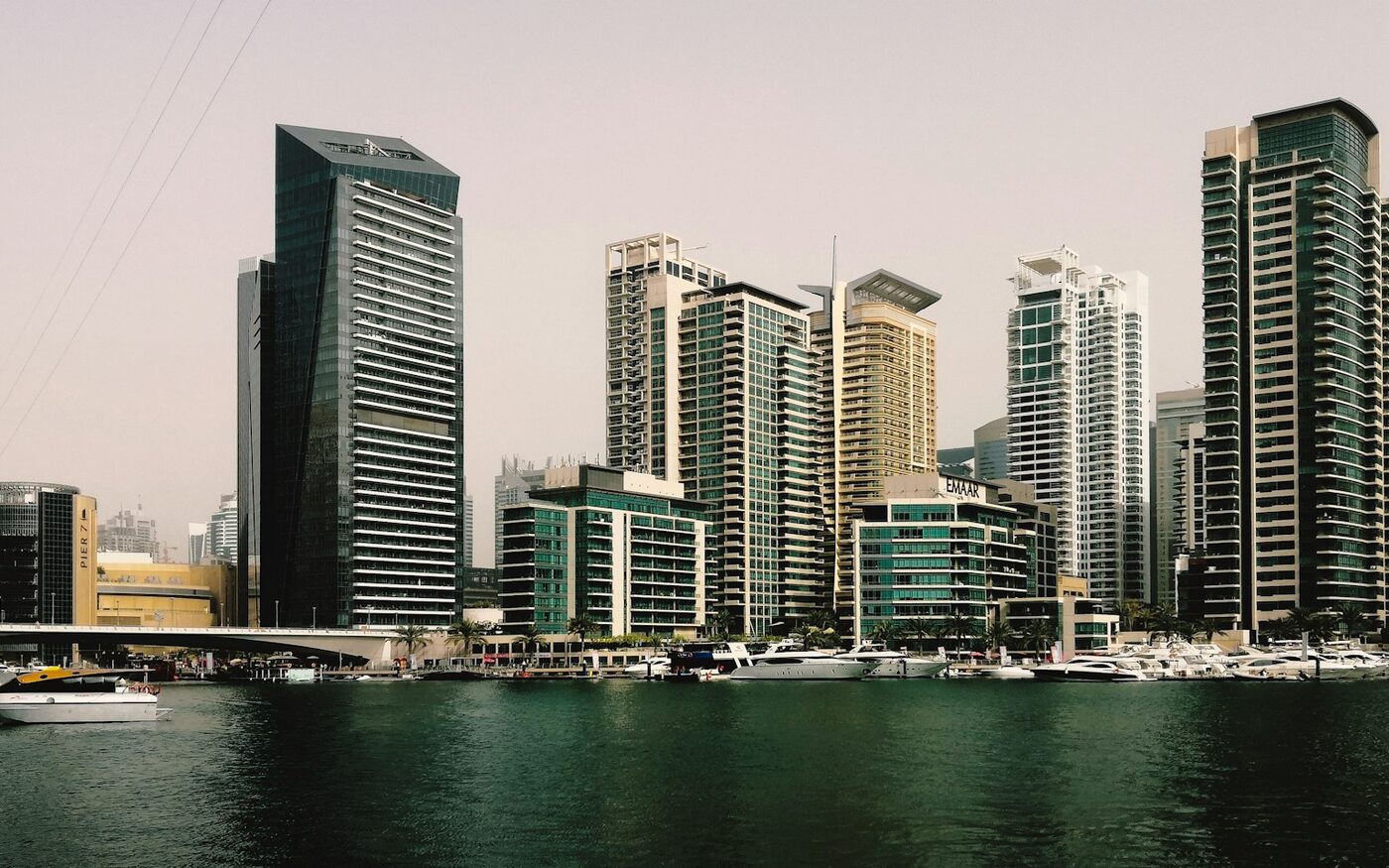
The UAE’s Green Residence demonstrates another model: a longer, renewable permission rather than conventional permanent residence. The federal ICP guide describes a five-year category without a local sponsor for qualifying skilled workers, freelancers, self-employed individuals and investors or business partners.
Each category has its own tests. Skilled workers need, among other requirements, a qualifying UAE employment contract, an eligible occupational classification, at least a bachelor’s degree and monthly pay of at least AED15,000. Applicants should not mix this checklist with another residence product simply because both are marketed as flexible options.
The practical benefit can be a longer planning period and eligible family sponsorship, subject to the rules. The practical caution is that renewal still depends on maintaining the relevant basis. Compare the precise category, work authorisations, health cover and dependants’ position rather than assuming every long-term UAE visa provides identical rights.
Retirement and investment require different financial evidence
Financially independent residence usually asks whether you can support yourself without the employment activity prohibited by that route. Pension statements, regular investment income and accessible savings can play different roles in the assessment. A healthy bank balance does not necessarily replace a required source of continuing income.
Investment residence instead attaches immigration eligibility to a specified asset, business contribution or other qualifying commitment, often alongside income and due-diligence tests. Ordinary property ownership should never be treated as universal residence permission. Spain’s consular notice, for example, states that investor visas were abolished from 3 April 2025, so older promotional guides can be misleading in 2026.
Before transferring capital, obtain independent advice on the immigration rules, ownership, liquidity and ongoing obligations. Our property investment residency guide explains why a qualifying purchase and a successful immigration application are related but separate decisions.
Family rights can determine whether a move is workable
An attractive main-applicant route may be unsuitable if it does not accommodate the people moving with you. Establish whether a spouse or partner can join, whether they can work and how children’s ages affect eligibility. Dependent adult children and parents often face different tests from a spouse and minor children.
Look beyond the first approval. A child may approach an age threshold during renewal, a relationship may change or the main applicant may lose the qualifying job. Ask what happens to each person’s status in those circumstances and whether any independent permission is available.
Family documents also take time. Marriage and birth certificates may require legalisation or an apostille and an accepted translation. School places, specialist support and suitable health insurance should be investigated alongside the immigration checklist. The permission is only useful if the whole household can realistically live under its conditions.
Build a complete budget and assess tax separately
A published income threshold is an eligibility floor, not a forecast of living costs. Separate application fees, professional advice, translations, insurance and travel from the recurring cost of rent, transport, schooling and healthcare. Investment capital that must remain committed should not simultaneously be counted as money available for everyday spending.
Use a realistic contingency for exchange-rate movements, delayed decisions and overlapping housing costs. Confirm which fees are refundable if an application fails. Avoid non-refundable commitments that assume an optimistic processing date, especially when several family applications need to be coordinated.
Tax residence is a separate legal analysis. Days present, a home, family connections, economic activity and treaty rules may all be relevant depending on the jurisdictions. A residence permit does not automatically settle your tax position, and spending fewer than 183 days somewhere is not a universal exemption. Get advice covering both the destination and the country you are leaving.
Prepare evidence and plan the first months after arrival
Build your application from the current official checklist for the right category and application location. Typical evidence can include a valid passport, criminal-record documents, income or employment records, insurance, accommodation and family certificates. Document validity periods and translation requirements can differ, so sequence the work carefully rather than ordering everything at once.
Check who is authorised to represent you and where payments should go. An adviser can organise a submission, but should not promise approval, waive government checks or ask you to present misleading income or employment evidence. Keep copies of the application, receipts and the conditions attached to the final permission.
After arrival, there may be registration, biometrics, permit collection or other formalities. Arrange a workable address, access to funds and suitable medical cover for the transition. Diary each deadline from the actual approval and entry documents instead of assuming the visa sticker completes the process.
Choose a route you can maintain, not just obtain
Before applying, check renewal evidence, absence limits and whether time under the chosen category counts towards a later status. Long-term residence and citizenship can use different calculations. A permission allowing frequent travel may not build the continuous residence needed for a future nationality application.
Create a simple comparison for two or three realistic routes: permitted activity, family rights, initial cost, recurring cost, renewal conditions and your intended time in the country. Prefer current government guidance to an undated headline. This article reflects information checked in October 2026; verify the rules again when you are ready to act.
Global residency can support a new job, family life or a carefully planned period abroad. The soundest choice connects a lawful route with a place you genuinely want to live and obligations you can sustain. For an introduction to our website and its guidance, return to compare passport.