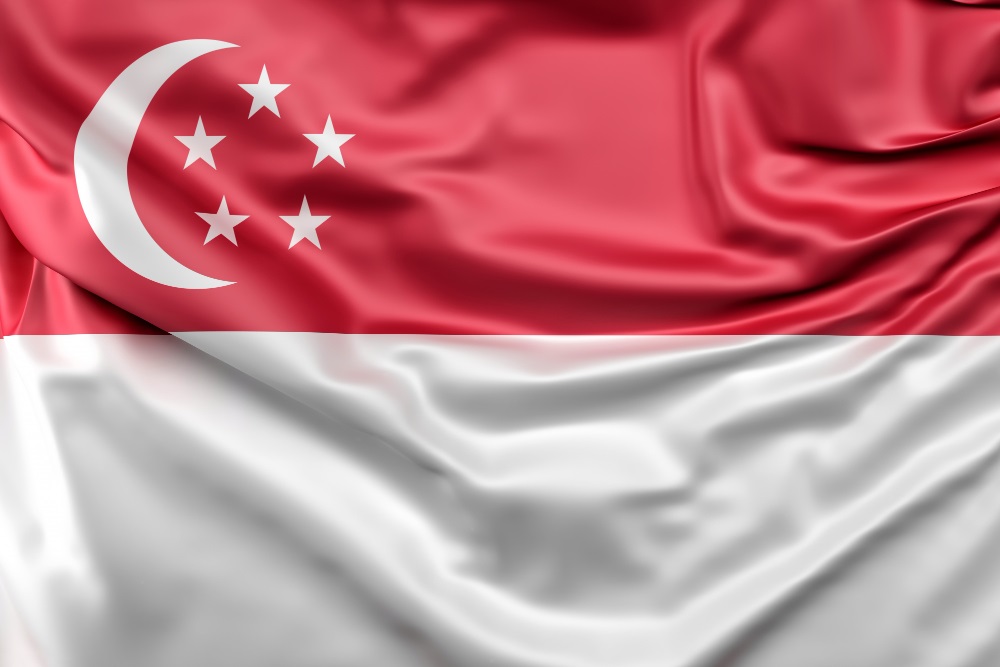
A Gold Standard?
Global investors see Singapore’s passport as the gold standard—but does it offer more than just elegant convenience?
In today’s climate of geopolitical uncertainty and growing interest in international diversification, the Singaporean passport stands out not only as a status symbol but also as a tangible asset. For global citizens balancing risk and opportunity, Singapore is often ranked alongside Swiss private banking and central London property as a benchmark of security, prestige, and practical utility.
As of May 2025, Singapore maintains its position at the top of the Henley Passport Index, offering visa-free or visa-on-arrival access to 195 destinations. This surpasses other elite passports, including those of the United Kingdom, the United States, and Japan. The breadth of access it provides is unmatched—but prestige alone does not tell the full story.
Beneath the headline figures lies a deeper strategic offering—one that appeals to high-net-worth individuals (HNWIs), entrepreneurs, and family offices alike. Yet, like all exclusive assets, the Singaporean passport is not without conditions, complexities, and costs.
A Gatekeeper Model, Not a Marketplace
Unlike countries offering transactional pathways to citizenship through real estate or bond purchases, Singapore’s passport is not a product for sale. It reflects a broader philosophy: economic contribution must be meaningful, sustained, and aligned with national priorities.
Applicants must first secure long-term residency, typically via the Global Investor Programme (GIP). Under this scheme, eligibility in 2025 requires either:
A minimum investment of SGD 10 million in a new or existing business headquartered in Singapore; or
A capital commitment of SGD 25 million into a government-approved fund focused on growth sectors such as fintech, clean energy, or healthcare.
Applicants are expected to demonstrate a proven track record in entrepreneurship or senior corporate leadership. Passive investors and speculative property buyers need not apply.
Singapore’s stance is clear: quality over quantity. This model protects the integrity of citizenship while reinforcing the city-state’s global image as a premium jurisdiction.
Check out the Exchange Rates
Economic Depth That Builds Long-Term Confidence
Singapore’s appeal extends well beyond its travel privileges. In an era where financial havens face increasing scrutiny, the city-state presents a rare combination of fiscal transparency, regulatory reliability, and geopolitical neutrality.
As of Q2 2025, the Monetary Authority of Singapore reports:
A national GDP growth rate of 2.9%, driven by finance, logistics, and AI sectors.
Sustained budget surpluses for the third consecutive fiscal year.
A low inflation rate of 2.3%, far below the OECD average.
Additionally, Singapore retains a AAA credit rating from all three major agencies. It is a sign of macroeconomic health that resonates strongly with institutional investors.
Business incorporation in Singapore is swift—licensing takes less than a week in many industries. The corporate income tax rate remains at 17%, with no capital gains tax and various R&D and start-up incentives further reducing the effective tax burden.
For private clients, the legal framework—built on English common law—offers consistency and confidence. Cross-border trusts, family offices, and asset protection structures are increasingly being relocated here, particularly from jurisdictions facing regulatory tightening or political turbulence.
The Passport’s Role in a Changing World
With visa-free or visa-on-arrival access to nearly every major global market—including the EU, UK, US (via ESTA), Canada, Australia, Japan, and Korea—the Singaporean passport delivers a level of borderless mobility that has become increasingly valuable in a post-COVID, multi-polar world.
In 2025, geopolitical friction between the US and China, Russian sanctions, and instability in parts of Africa and the Middle East have underscored the passport’s utility as a “mobility hedge.” It gives holders the ability to move themselves, their businesses, and their families with speed, discretion, and minimal disruption.
Singapore’s foreign policy is neutral yet engaged, enabling it to maintain favourable relations with both East and West. The result is a passport that works practically anywhere—and is politically uncontroversial everywhere.
The Hidden Costs of Exclusivity
Despite its appeal, the Singaporean passport is not for everyone. It brings expectations—and not all of them are financial.
Naturalisation is discretionary, and there is no statutory timeline. Even GIP investors who meet all criteria may wait 5–10 years before being considered eligible for citizenship, which is granted on a case-by-case basis.
Furthermore, Singapore does not recognise dual citizenship. Applicants who receive a Singaporean passport must renounce their prior nationality—an emotional and practical barrier for many.
There are also strict compliance requirements. Singapore has adopted international tax reporting standards including FATCA (Foreign Account Tax Compliance Act) and CRS (Common Reporting Standard). Residency isn’t simply a checkbox—it involves physical presence, contribution to the economy, and legal transparency.
And then there’s the cost of living. According to the Economist Intelligence Unit (EIU), Singapore ties with Zurich as the most expensive city in the world in 2025. Core benchmarks include:
Monthly rent for a 2-bedroom apartment in central districts: SGD 5,000–6,000
Private school tuition: SGD 30,000–45,000 per child annually
Comprehensive private health insurance: SGD 8,000–12,000 per person annually
Such expenses are manageable for ultra-high-net-worth individuals, but they can deter those for whom global citizenship is primarily about affordability.
National Service and Legal Considerations
Another important factor: National Service obligations. Male Singaporean citizens and permanent residents are required to serve two years of full-time military service, followed by reserve duties. This applies even to the sons of new citizens or long-term residents, raising complex considerations for globally mobile families.
Additionally, the legal environment, while highly functional and investor-friendly, operates under tight media and political controls. While most business professionals are unaffected, those with a strong preference for Western-style freedoms may find Singapore’s governance model less aligned with their values.
Tech, ESG, and Future-Oriented Infrastructure
Singapore’s relevance in 2025 isn’t just built on what it offers now—but on where it’s going.
This year, the government passed its Digital Asset Tokenisation Act, making Singapore one of the first jurisdictions to legally regulate tokenised securities. The legislation includes provisions on custody, investor disclosure, and cross-border tradeability.
Environmental, Social, and Governance (ESG) priorities are also now embedded in financial policy. All publicly listed companies are subject to mandatory climate risk disclosures, and carbon credits are now traded on SGX, Singapore’s stock exchange.
For family offices and institutional funds focused on ESG mandates and digital diversification, Singapore offers one of the most progressive regulatory environments globally.
Strategic Considerations for UK Investors
For British citizens and residents looking east, Singapore presents compelling options. With the UK-Singapore Free Trade Agreement in full effect and mutual visa exemptions in place, the foundations for business and mobility are strong.
However, the inability to hold dual citizenship means that acquiring a Singaporean passport may entail giving up British nationality. For most, a more realistic route is long-term residency, combined with investment exposure to Singapore’s robust economy and infrastructure.
There is a growing trend among UK-based family offices to establish satellite operations in Singapore, enabling greater access to Asian markets, favourable tax treatment, and strategic diversification without the complexities of renunciation.
Final Thoughts: A Passport of Purpose
In a world of easy access and commoditised mobility, the Singaporean passport remains defiantly different. It cannot be purchased in a weekend, nor is it offered in exchange for a property title or donation. It demands commitment—economic, legal, and personal.
But for those who meet its high standards, the reward is significant: not just travel freedom, but access to a world-class business environment, a forward-looking regulatory regime, and a nation that consistently ranks at the top for quality of life, economic competitiveness, and resilience.
For investors who value substance over shortcuts, Singapore’s passport may be less a travel tool and more a strategic cornerstone.
Financial Disclaimer:
The information provided in this article is for general informational purposes only and does not constitute financial advice. While every effort has been made to ensure the accuracy of the content, market conditions may change, and unforeseen risks may arise. The author and publisher of this article do not accept liability for any losses or damages arising directly or indirectly from the use of the information contained herein.
Copyright 2025: comparepassports.com
Picture by: Freepik.com